
Moving Out of California? How to Sell Your House Fast Before You Go

California has seen steady outbound migration over the past several years. Census data shows that around 60% of all California moves are outbound, with Texas, Arizona, Nevada, and Florida being the most popular destinations. If you're one of the many homeowners planning a move out of state, one of the biggest decisions you'll face is what to do with your house.
There's no single right answer — it depends on your timeline, your financial situation, and how much you want to deal with from a distance. This guide walks through the main options and some of the practical considerations that come up.
Option 1: List With a Real Estate Agent
This is the traditional route. You hire a listing agent, prep the home, put it on the MLS, and wait for offers.
What this looks like:
- Your agent will likely recommend repairs, cleaning, and possibly staging before listing
- The home goes on the market and buyers schedule showings, usually over several weeks
- Once you accept an offer, the buyer typically needs 30–45 days to close (longer if there are financing delays)
- Total timeline from listing to closing is usually 60–120 days
Costs to expect:
- Agent commissions: typically 5–6% of the sale price
- Closing costs: around 1–2% for the seller
- Repairs and staging: varies, but $3,000–$15,000 is common
- Carrying costs while listed: mortgage, taxes, insurance, and utilities continue until close
The upside: You'll typically get the highest sale price through market exposure. In a strong market, you may get multiple offers.
The challenge when relocating: Managing a listing remotely is where things get complicated. If you've already moved, you're coordinating repairs, showings, and negotiations from another state. Someone needs to keep the home presentable. If a buyer's inspection turns up issues, you're approving contractor work sight unseen. And if the deal falls through — which does happen with financed offers — you're starting over from a distance.
Option 2: Sell to a Cash Buyer
Cash buyers — whether companies or individual investors — make direct offers on homes without going through the open market.
What this looks like:
- You reach out (usually a phone call or online form) and provide basic info about the property
- You receive a cash offer, typically within 24–72 hours
- If you accept, closing can happen in as little as 1–3 weeks
- Most cash buyers purchase as-is, meaning no repairs or prep needed
Costs to expect:
- No agent commissions
- Minimal closing costs (usually just title and escrow fees)
- No repair or staging expenses
The upside: Speed and simplicity. You pick a closing date, skip the prep work, and don't deal with buyer financing falling through. If you've already relocated or you're on a tight timeline, this removes a lot of the logistical headaches.
The tradeoff: Cash offers are typically below market value. How much below varies — it depends on the property condition, location, and the buyer. It's worth getting multiple cash offers if you go this route, just like you'd interview multiple agents.
Option 3: Rent It Out
Some homeowners decide to keep the property and rent it out rather than sell. This can work, but it's worth being honest about what's involved.
What this looks like:
- You find a tenant (or hire a property manager to do it)
- Rental income covers some or all of your mortgage and expenses
- You maintain the property remotely, handling repairs and tenant issues from out of state
The upside: You keep the asset, continue building equity, and generate rental income. If property values are rising, you benefit from appreciation.
The reality: Being a long-distance landlord is a job. Even with a property manager (who typically charges 8–10% of monthly rent), you're still making decisions about repairs, dealing with vacancies, and managing California's landlord-tenant laws from another state. Many people who start out planning to rent eventually decide to sell once they experience the day-to-day of managing it remotely.
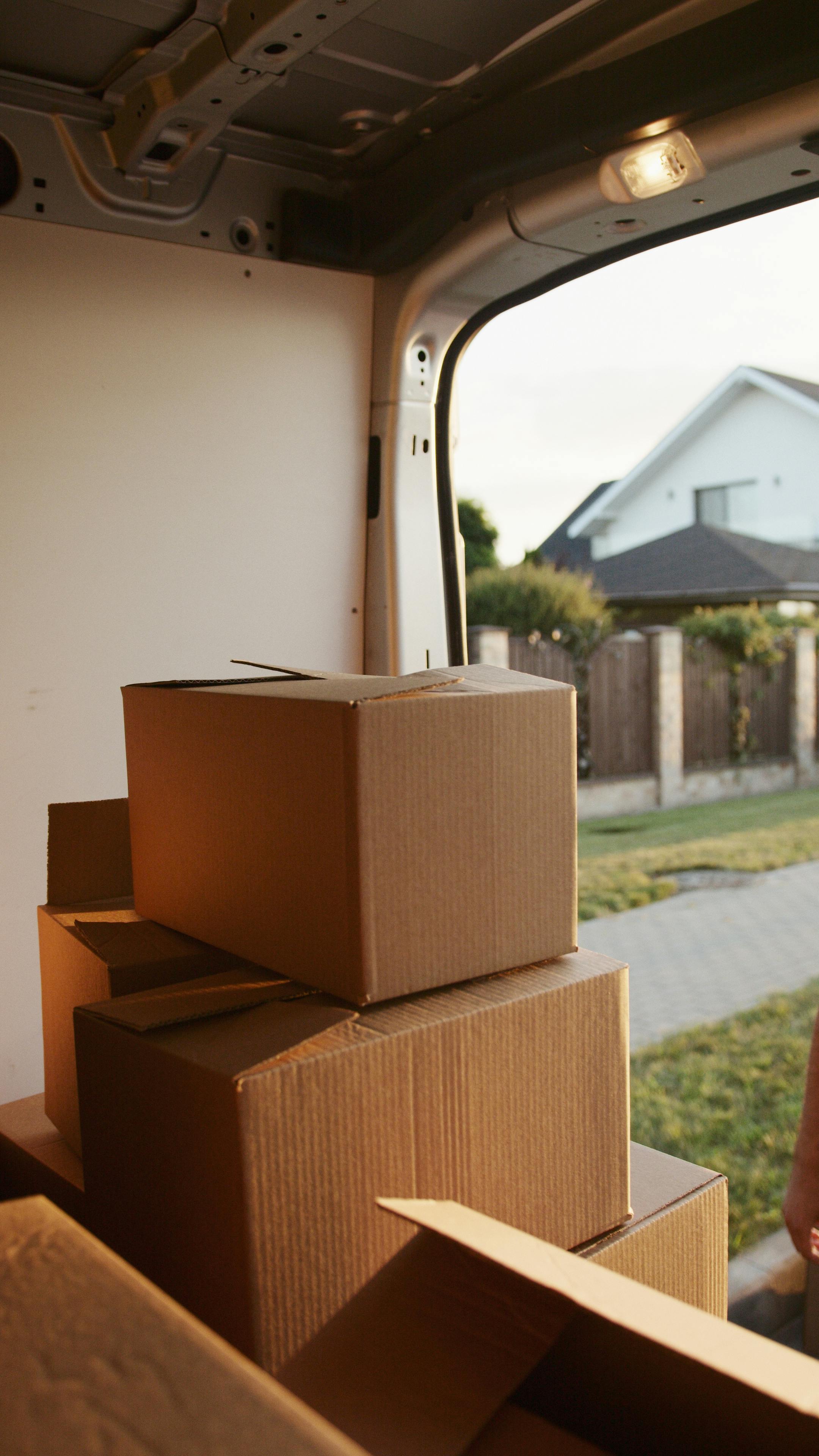
The outbound migration trend is especially strong in California’s inland cities. Sacramento, Fresno, and Stockton are among the top metros for residents moving to states like Texas, Arizona, and Nevada. Many of these homeowners need to sell quickly before their relocation date and can’t manage a traditional listing from across state lines.
Practical Obstacles When Selling From Out of State
Regardless of which selling method you choose, there are some logistical issues that come up when you're not local:
The home sits vacant. Vacant homes can develop problems — pipes freeze in mountain areas, landscaping dies, mail piles up (which signals to thieves that nobody's home). Some insurance policies have vacancy clauses that limit coverage after 30–60 days.
Carrying costs add up. Between the mortgage, property taxes, insurance, utilities, and basic maintenance, most California homeowners are spending $3,000–$6,000+ per month on a home they're not living in. Over a 3-month listing period, that's $9,000–$18,000.
California tax withholding for out-of-state sellers. Once you establish residency in another state, California requires a 3.33% withholding on the sale price at closing. This gets applied to your California tax return — if you don't owe it, you get it back when you file. But it does tie up cash in the short term. One way to avoid this: close on the sale before you officially establish residency elsewhere.
Capital gains exclusion. If you've lived in the home for 2 of the last 5 years, you qualify for the federal capital gains exclusion ($250K single / $500K married). This clock is worth paying attention to — if you rent the home out for several years before selling, you could lose this exclusion.
Questions Worth Asking Yourself
- What's my timeline? If you need to close before starting a new job or buying a home in your new state, that narrows your options.
- What condition is the home in? A home that needs $20K in repairs is going to eat into your traditional sale proceeds — or scare off retail buyers entirely.
- How comfortable am I managing things remotely? Some people are fine coordinating from a distance. Others find it stressful and distracting when they're trying to settle into a new place.
- What does the money look like in my new state? If you're moving somewhere with a significantly lower cost of living, the difference between selling methods might matter less than you think. A sale in California still goes a very long way in most Texas or Arizona markets.
The Bottom Line
There's no wrong way to sell your home when you're leaving California — there are just different tradeoffs. A traditional sale maximizes price but takes time and effort. A cash sale trades some of that price for speed and simplicity. Renting keeps the asset but adds ongoing responsibility.
The best choice depends on what matters most to you right now. If you'd like to explore what a cash offer would look like for your property, we're happy to provide one with no obligation — just to give you a data point as you weigh your options.
Get California housing market updates
Median prices, what's selling, and what it means — free, once a month. Unsubscribe anytime.
Thinking of selling? Get a cash offer.
Takes about 30 seconds. No obligation.